
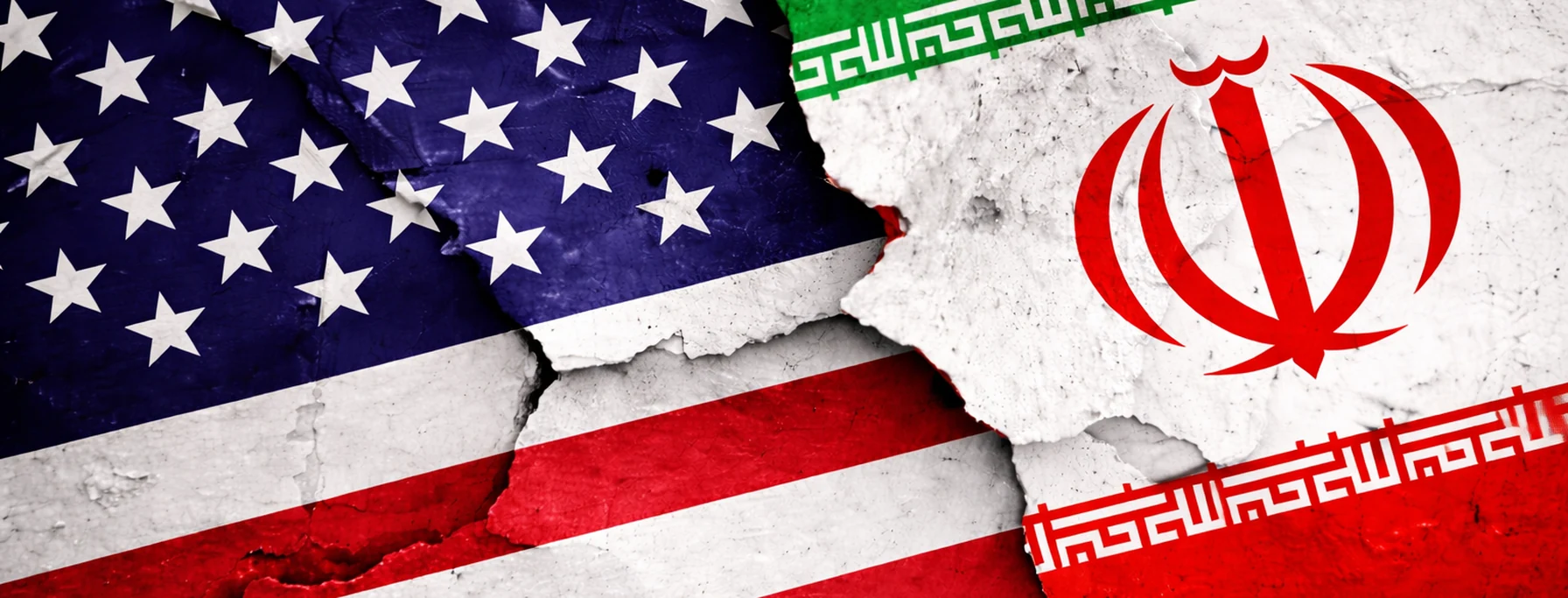
Iran Protest,Sparks War of Words Iran Protest,Sparks War of Words
A new estimate suggests the death toll from Iran’s anti-government protests—and the subsequent crackdown—
could be far higher than previously reported, intensifying international scrutiny and fueling a sharp rhetorical clash
between Tehran and Washington.
key points
- Iran’s top leadership, including the Supreme Leader, publicly pinned responsibility on the United States
(and Israel), calling out former U.S. President Donald Trump by name and labeling him a “criminal.”
Tehran argued that the heavy casualties were not solely the result of a state crackdown, but also linked to
violence by protesters allegedly “directed” by outside forces.
- The UK’s Sunday Times was cited as estimating 16,500 to 18,000 deaths and about 330,000 injuries,
reportedly based on documents obtained from local doctors.
- Trump responded by saying Iran “needs new leadership,” directly targeting the Supreme Leader and
framing the issue as a long-running authoritarian rule. However, he was portrayed as cautious about direct
military involvement, pointing to the absence of executions of protesters as a reason for restraint.
- Iran’s president issued a blunt warning:
any attack on the Supreme Leader would be tantamount to an attack on the Iranian state—“all-out war.”
This escalatory language signals how quickly a domestic unrest story can morph into a broader geopolitical confrontation.
Why it matters
This episode highlights a familiar dynamic: domestic instability amplifies external confrontation. As casualty
estimates rise, international pressure grows—yet Tehran appears to be reinforcing an “outside interference”
narrative to consolidate internal control. In response, Washington’s rhetoric shifts toward leadership legitimacy,
increasing the risk of miscalculation even without immediate military action.